
How to reduce your Cholesterol
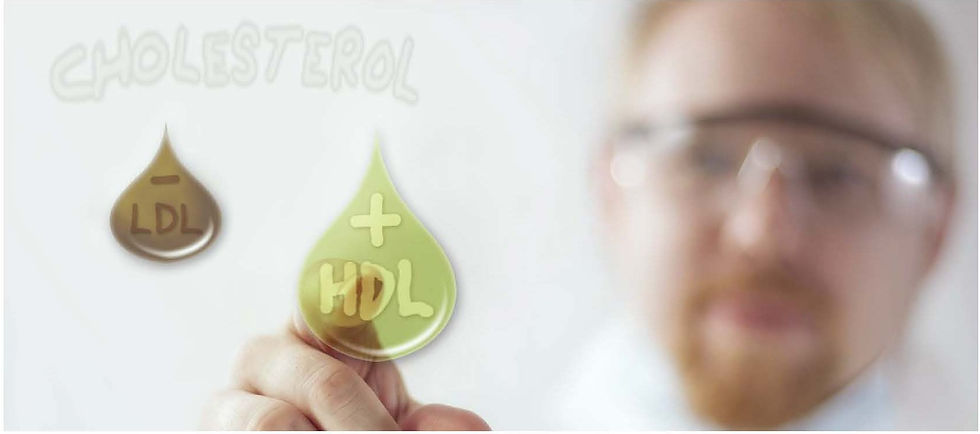
At regular intervals in our lives, we are invited by our GP to attend a health check, which includes a blood cholesterol test. This is test that monitors the level of cholesterol in your blood.
So what is cholesterol?
Cholesterol is a like a sticky plaque that accumulates in your arteries, limiting the flow of blood to your heart, which can cause heart disease. Cholesterol is formed for lipoproteins (fats which have been broken down by digestion).
There are two types of lipoproteins that are tested for in your blood, these are LDL’s (low density lipoproteins) and HDL’s (high density lipoproteins).
LDL’s have the highest proportion (around 50%) of cholesterol and are known as the bad cholesterol, as they are associated with heart disease.
HDL’s are known as good cholesterol, as they go around and clean up after the LDLs and have a relatively low cholesterol content (around 20%). HDL’s travel around the body and collect spare cholesterol (including from the artery walls) and return it to the liver for excretion or re-utilisation.
Although it receives a lot of bad press, cholesterol plays an essential role in how every cell in the body works, but it can increase your risk of heart problems if the level is not controlled.
How to reduce your cholesterol:
It has been believed that saturated fat is a risk factor for cardiovascular disease because it raises cholesterol levels. Some of the factors that can positively affect the ratio of HDL ‘good’ cholesterol to LDL in the blood are the type of fat intake, exercise, and fibre intake.
Eating good source of polyunsaturated omega-3 fats, such as a nuts, seeds, and oily fish can help reduce LDL’s, and avoiding Trans fats found in processed foods should be avoided completely, as these are extremely high in LDL’s.
Exercise tends to raise the levels of HDL ‘good’ cholesterol in the blood.
Foods high in fibre, especially those high in soluble fibre help to lower LDL’s by reducing the amount of cholesterol that is absorbed into the bloodstream from your intestine. Soluble fibre is found in oats, pulses, fruit and vegetables.
SUMMARY:
If you are looking to reduce your blood cholesterol levels, you should:
· Eat ‘good’ fats, polyunsaturated fats such as nuts, seeds, and oily fish
· Don’t eat trans fats, found in processed and fast foods
· Exercise at least 3 times a week
· Increase your soluble fibre intake, such as oats, pulse, fruit and vegetables

Comments